


After many months of drafting, I’m finally finishing my romcom this week. This is the third romance story I’ve drafted. The first two were solid training wheels books. This one has a premise I’m so excited to take on submission. It’s the first romance I’ve written that truly reflects my taste, from the concept to the characters to the words on the page. It’s taken me about five years to get here, hundreds of books read, and half a million words written. But it’s worth the effort to discover my own unique voice.

This installment of Mel’s Notebook is emailed to paid subscribers every Thursday. If you would also like to receive it by email, become a paid subscriber and and get a peek behind the scenes of my creative life!
What is voice?
Your voice is your own unique perspective on the world. It’s your personal worldview, the point of view that shines through your work no matter what the subject is. Your voice comes from your individual values, life experiences, and emotions. It is the driving force behind what you are trying to say.
You don’t have one voice. You have many.
When you pursue any creative endeavor, you must first learn to work in the medium before you can develop your unique preferences for it. That’s how you develop your voice. And just as you can find a voice in one medium, you can find it again in another medium. Every artistic challenge provokes your mind in a different way. In writing, these are different categories and genres of stories.
With each one you take on, you must find your voice again. They’re all you, but you’re sharing a different angle on your voice each time. The specifics reflect the context of the art you’re making.
Whether you pursue one perspective or many is up to you. I enjoy learning new skills, so I anticipate that I will genre hop quite a bit in my writing just as I project hop between different creative endeavors outside of writing. The variety is stimulating for my mind, even if it means mastering a whole new skill each time.
How to find your authentic voice
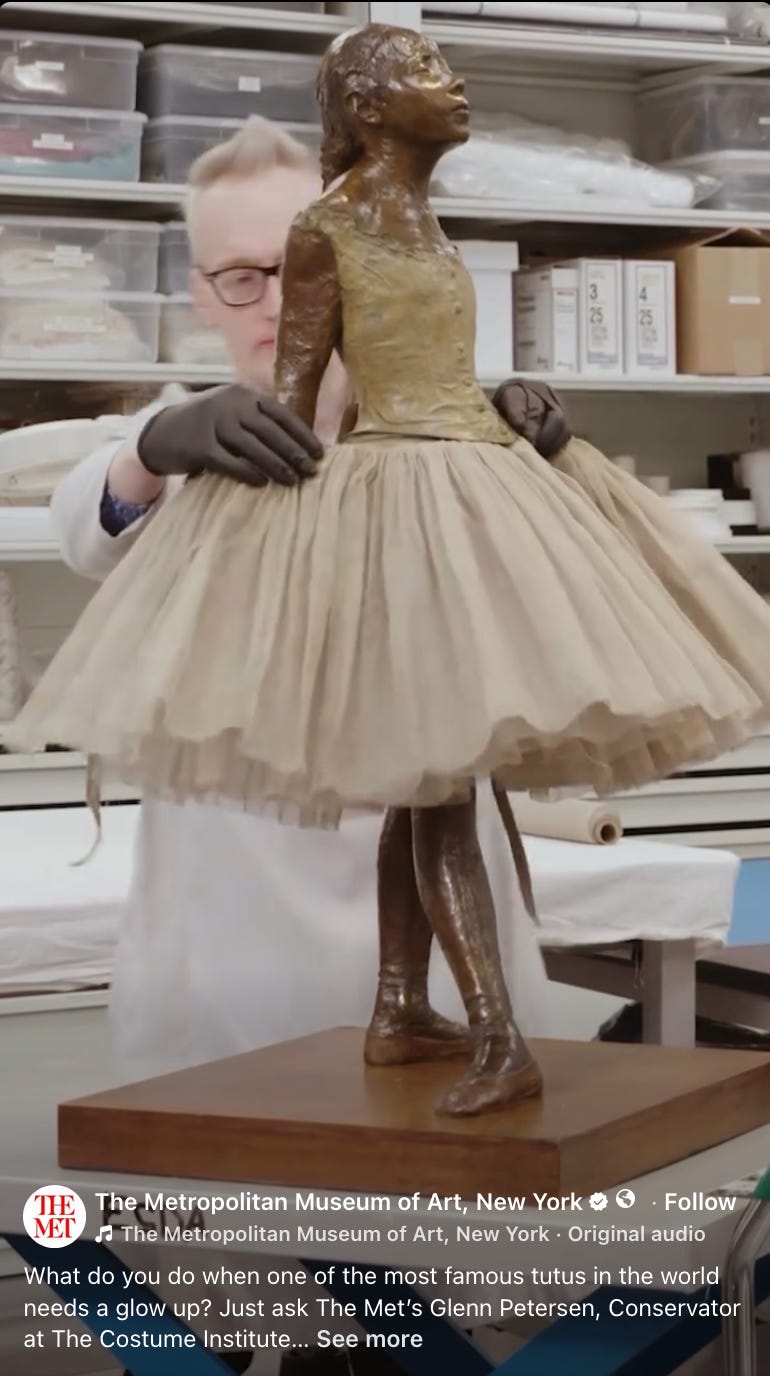
When I saw this video about a conservator fabricating a new skirt for Edgar Degas’s renowned bronze sculpture The Little Fourteen-Year-Old Dancer, I was enthralled. First of all, I didn’t know the skirt part of the statue was fabric. Apparently it was originally made in wax before being cast in bronze and the fabric skirt has been replaced several times. Listening to this conservator speak about his selection process for the replacement fabric revealed that he is very much an artist speaking through not only a wealth of knowledge about his craft but his own unique voice.
That voice is acquired through the study of other voices. In studying others, we recognize what resonates with us and what does not. Over time, our point of view forms like a snowball, each layer of knowledge adding a micron to its diameter until we reach a critical mass of information.
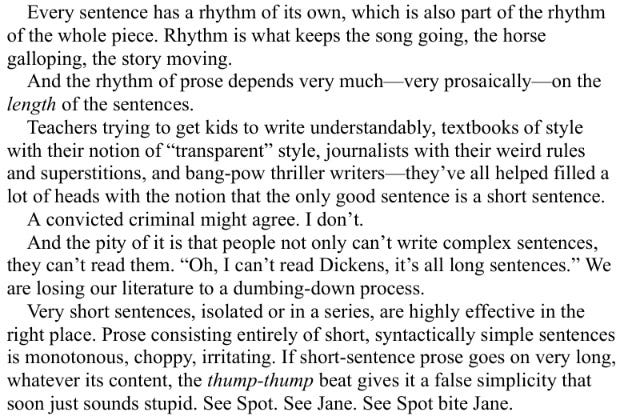
Ursula K. LeGuin wrote about how “every sentence has a rhythm of its own, which is also part of the rhythm of the whole piece. Rhythm is what keeps the song going, the horse galloping, the story moving.” She extolled the value of developing your own unique voice, which has a tremendous impact on the reader’s experience of the story.
I’m contemplating what to work on next, while my agent reads my romcom and I wait for news on my middle grade fantasy (still in the works!). I have lots of weird little ideas waiting to be fleshed out, like this one:
