


This week, I filed my claim in the Anthropic Copyright Settlement, wherein an AI company who used pirated works has been instructed to compensate the authors whose work was stolen. I feel gross taking this money. It doesn’t fix the harm that was done. It doesn’t stop Anthropic from continuing to make money on the AI that was built with my words. Justice would be dismantling these companies entirely, but I take heart in one infallible truth: their shitty AI will NEVER be able to come up with the weird stuff my brain creates. The human imagination is unmatched, and there is no better example of human-driven innovation than the recent film, Project Hail Mary.
This installment of Mel’s Notebook is emailed to paid subscribers every Thursday. Become a paid subscriber for deep dives into my notebooks, writing practices, and personal projects. Subscribe today for exclusive content to inspire your creativity. ❤️
If you haven’t seen Project Hail Mary, it’s a movie about a scientist who must travel deep into space to try to save Earth from a pathogen that is consuming the sun. It’s a film that centers on the human ability to imagine solutions to seemingly unsolvable problems. Again and again, the main character (played by Ryan Gosling) encounters challenges that no human has ever encountered. Each time, he uses his brain to figure it out. It’s so easy to root for him because he is all of us, trying desperately to solve a problem. And the coolest part of this film isn’t even the amazing twists and turns in the story—it’s the practical effects they used for many of the striking visuals.

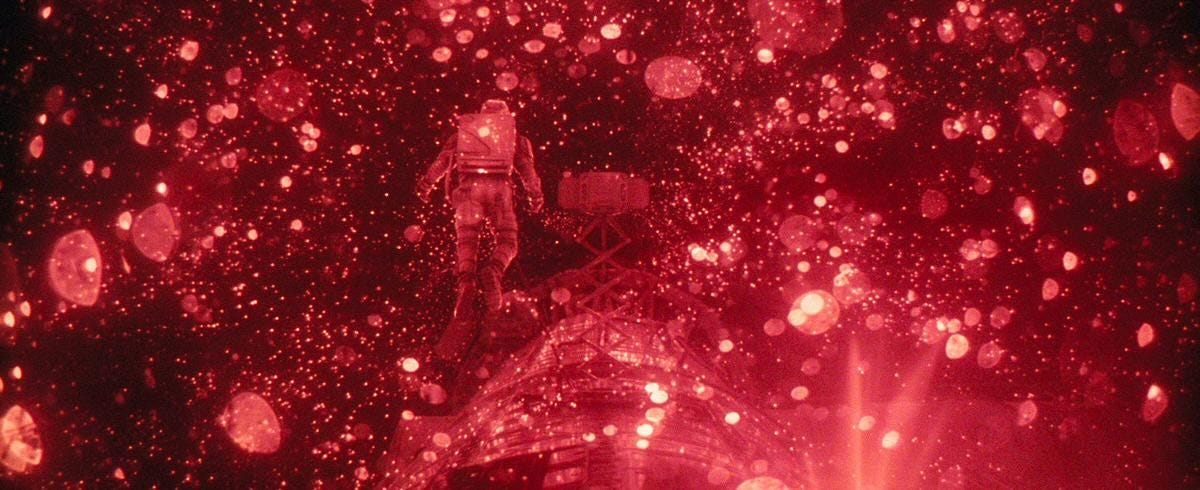
At one point in the movie, Gosling’s character, Grace, is surrounded by a field of the pathogens that are threatening the sun as well as every other star in the known universe. The shot is breathtaking. And this is how they made it:
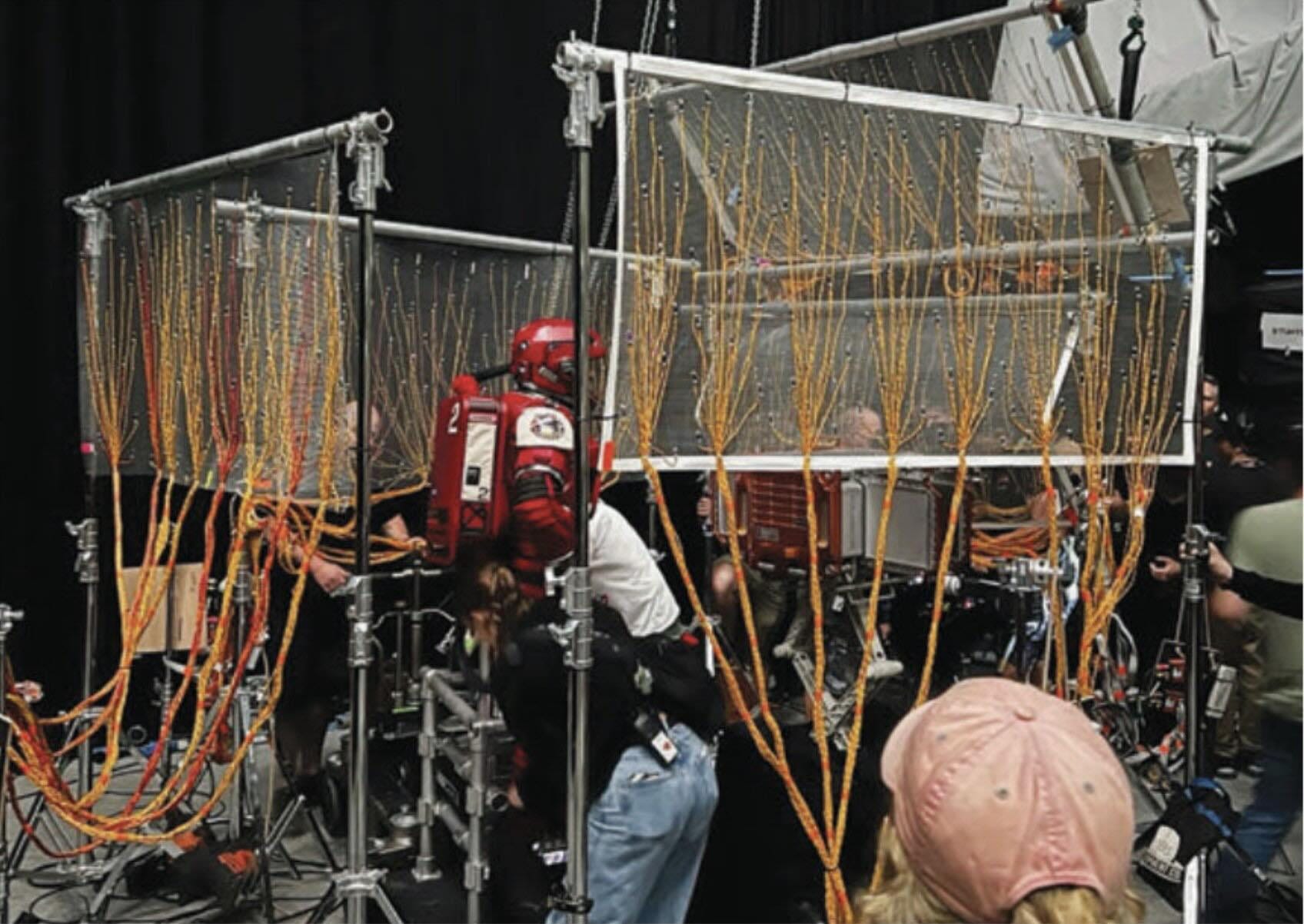
That’s not computer generated graphics. That’s not AI. It’s raw human innovation using physical props and camera lenses to produce a striking visual image. This is art. This is play. This is WEIRD. This is MOVIE MAGIC.
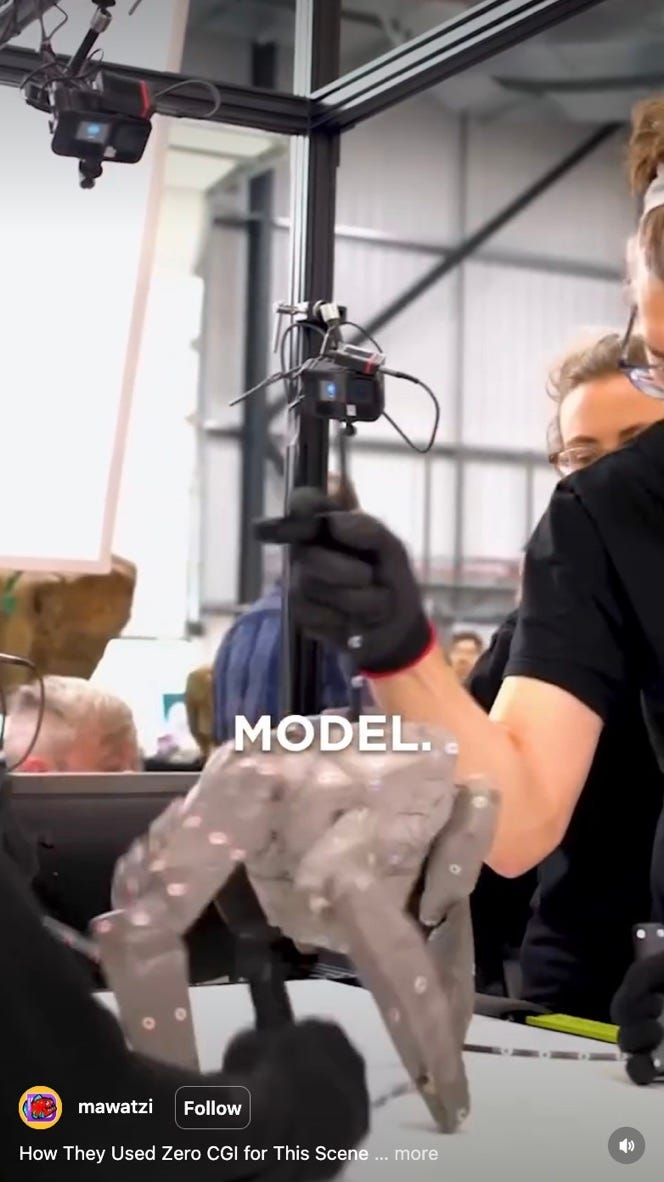
They also used puppetry and models in this film, which you can learn all about in the bonus materials. Seeing these images of how the filmakers innovated to create such a startlingly fresh and powerful movie filled me with pure joy.
AI can never, ever make art.
PEOPLE make art. Back when I was a wee baby product designer, I didn’t know what the hell I was doing. I just had a problem to solve, and I solved it by any means necessary. Sometimes that was with a pen and markers. Sometimes it was with models cobbled together out of binder clips and duct tape. We used whatever was at hand to explore solutions until we found something that worked, just like Grace, and just like the filmmakers who brought him to life. This is what that process looked like:
