


When I started writing, I didn’t know anyone in publishing. I was just a lady with an idea and a laptop. Luckily I also had internet service, and that’s where I started to meet other writers. I had tried to find connections in my town, but that seemed like it would take a long time to cultivate connections, especially as I had no writing credentials. Online, I quickly found people who were just as batty about the writing process as I was, so I took a risk: I joined a critique group of near-total strangers. Little did I know, these internet strangers would quickly become a core source of support and joy in my creative life. None of us knew what we were doing, but because we were together, we enjoyed it—even when NO ONE ELSE SHOWED UP.
This installment of Mel’s Notebook is emailed to paid subscribers every Thursday at 9AM EST. If you would also like to receive it by email, become a paid subscriber and earn access to my full archives along with my undying gratitude!
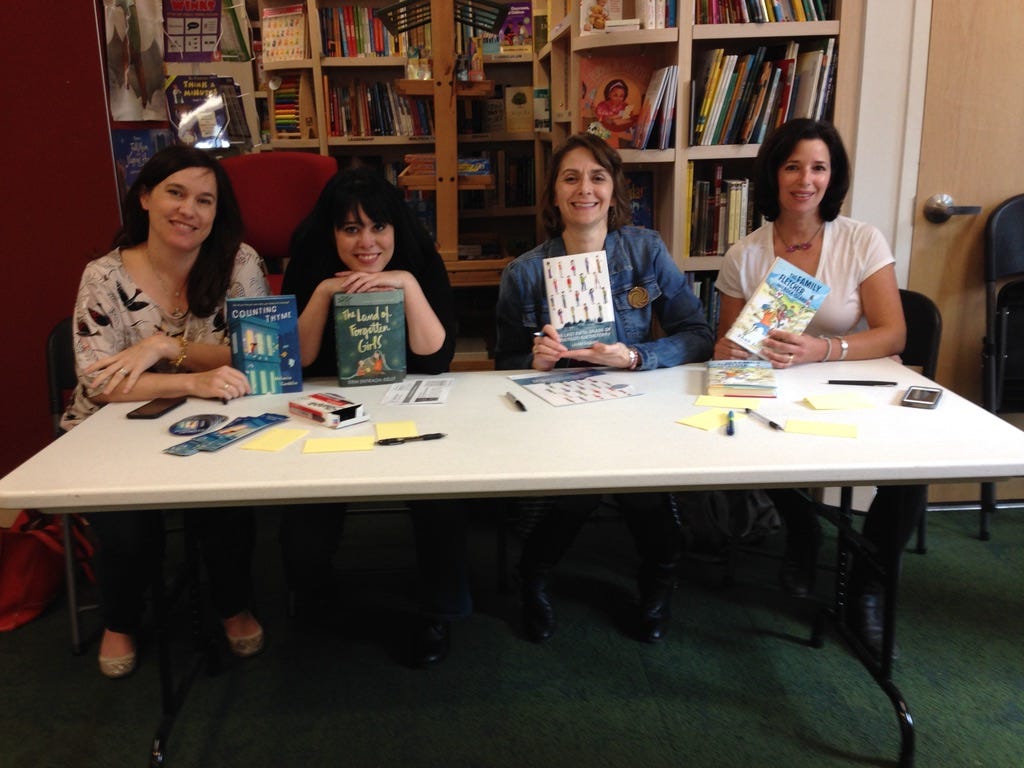
Have you ever been to a book event where no one shows up but the author and you? I have. Many, many times. People are busy. It’s challenging to drum up an audience on a nice sunny day, or any day, really, unless a book store has a robust relationship with their customers. I’ve been to stores who PACK their events, but most of the time it’s just me and a few random people who look a little embarassed to be taking up one or two of the empty folding chairs. Luckily, I learned that doing events as a group provided a bit of a shield to the emotional sting of an empty house. At least with friends on hand, you can laugh it off. You catch up. You leave early and get food. It’s the same experience for every part of the publishing journey—when I share with my creative community, it is easier to weather the storms. It’s also more fun.
We’ve been sold a narrow definition of happiness that centers on career achievements (read: MONEY), financial wins (yep, MONEY) and material possessions (would you look at that, more MONEY), but science says that happiness is primarily social. What’s that? Money can’t buy you happiness? Let’s be clear: money solves a LOT of problems that allow you to live in ways that cultivate happiness. Money can support your happiness, but as we see with the world’s richest people, money doesn’t MAKE you happy. On the contrary, connections do.

Every year there’s a lengthy report that comes out on global well-being and how to improve it. It’s called The World Happiness Report. That may sound frivolous, but remember, all emotions are created equal. We need to study happiness just as much as we study anxiety or depression. Happiness is also a critical mental health factor. Studying how happiness arises helps us create more happiness for ourselves and others. This year’s report found that Finland continues to be the happiest country, along with other Nordic countries, at least partially due to their cultural traditions of benevolence and gratitude. In order for people to help each other, they must connect with each other. This builds robust social networks, where each person is connected to many others. What prevents everyone from doing this? Well, often we victims of American exceptionalism assume we are on our own. We aren’t known for asking for help OR for being particularly benevolent.
We expect everyone to be selfish, so we don’t reach out, and remain disconnnected.
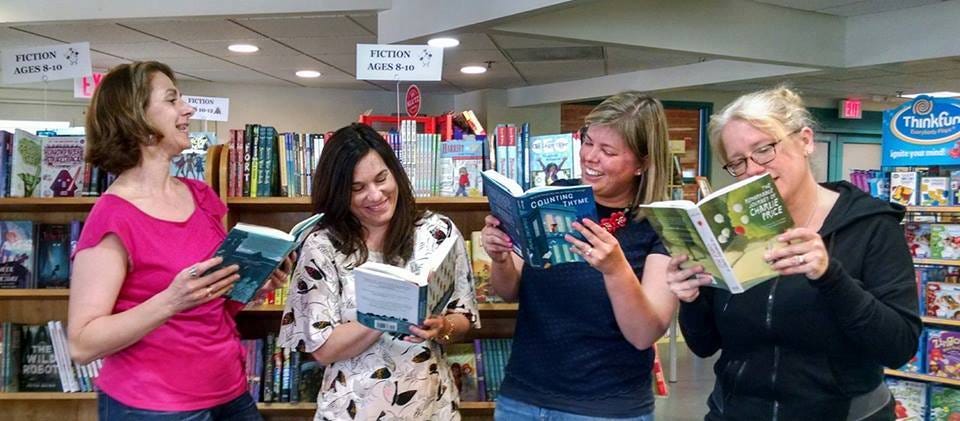
Looking back on my writing career, I can see just how valuable it was to take that risk and reach out for help from other writers. During my design career, I became accustomed to teamwork, not only because it’s more efficient but because it feels better. And how we feel MATTERS. According to the study, countries where people eat together more often report higher levels of happiness and satisfaction and far less loneliness. Our trend to eating at home, alone, is not great for our well-being. We crave relational fulfillment. We need it. So with that in mind, here are my honest tips for how to build a supportive creative community:
