


You may or may not have heard of the recent social media saga of the #hotchef a young woman met in Paris, launching a whirlwind love affair that she shared with the world via the internet. Thousands of people have been glued to their updates, enjoying the vigor and vulnerability of their relationship as it progressed. Others have been critical of how much was shared and why it was shared, which raises the question of how much of ourselves we as artists should reveal to the public. Social media has exacerbated the consequences of sharing in public, but this isn’t a new problem. It’s a topic of debate that artists have long grappled with.
This installment of Mel’s Notebook is emailed to paid subscribers every Thursday at 9AM EST. If you would also like to receive it by email, become a paid subscriber and and get a peek behind the scenes of my creative life!
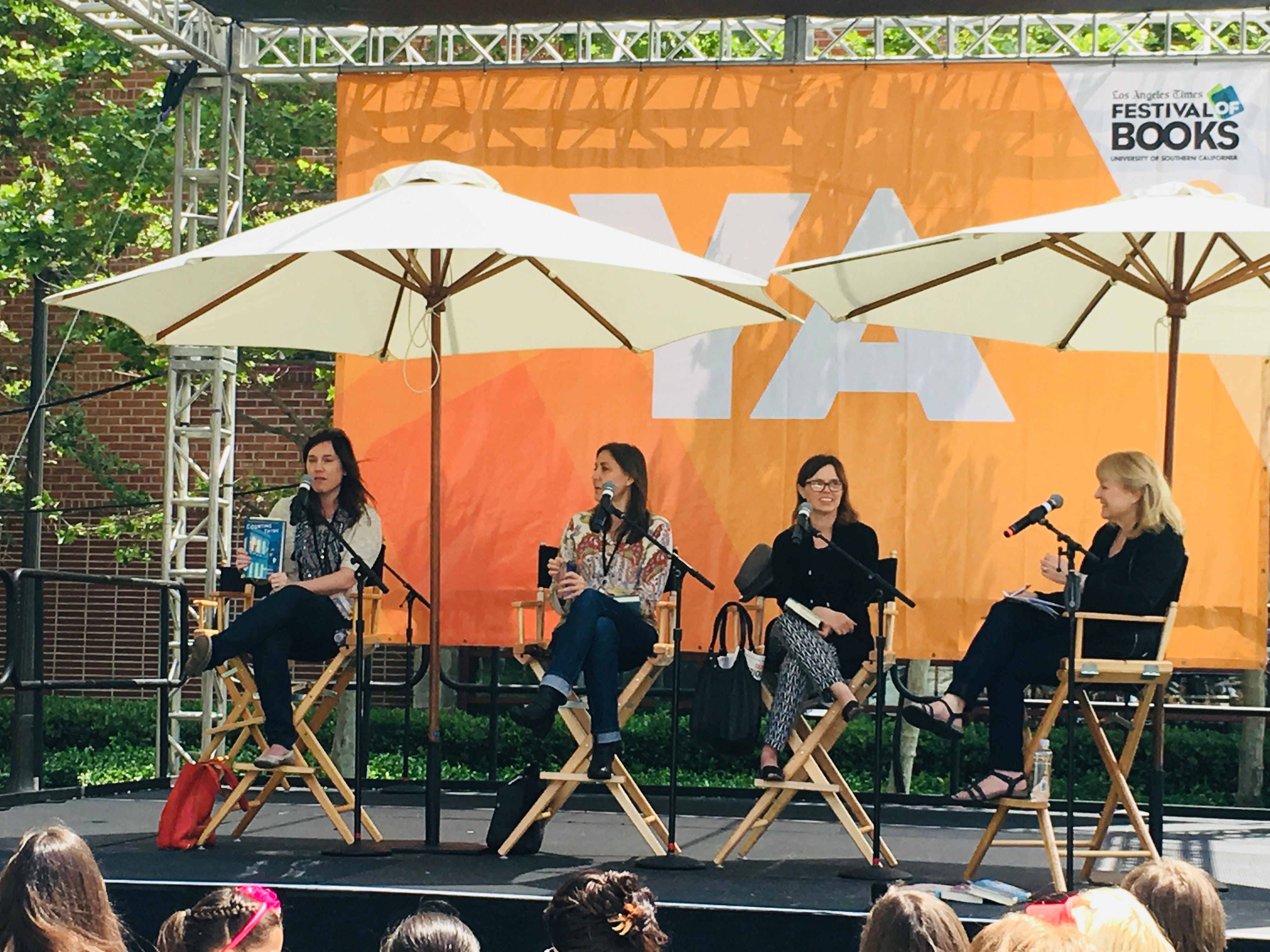
When I started writing novels a decade ago, I had little social media presence. Twitter was all the rage at the time, so I started making connections there to build my writer friend group, but it wasn’t until my first book sold that I started to experience what it’s like to be both a person and a brand. It was disorienting to go from a fairly private person to sitting on stages in front of hundreds of people. It was also exciting. My social followings grew rapidly as my debut novel took off. Then I had a fan letter show up on the front stoop of my home, at an address I hadn’t shared publicly. That’s when I started to question how welcoming I should be online. What was good for my brand might be dangerous for me and my family, and there was little guidance on best practices as social media was still relatively new. So I decided to separate my brand from my person with a few key choices that I stand by to this day:
